

Changing times
Britain’s largest housebuilder has confirmed it will significantly reduce the amount of land it buys this year, citing geopolitical instability, rising build costs and the likelihood of mortgage rates staying higher for longer. While the headlines focus on the pressure this puts on government housing targets, the knock‑on effects for the wider property industry are just as important.
Land buying is the engine of future supply. When major developers pull back, it doesn’t just affect long‑term housing numbers, it changes behaviour right across the market, from developers and site teams to estate agents selling completed homes.
Implications for Housebuilders
For housebuilders, a slowdown in land purchasing signals a shift in priorities. With fewer new sites entering the pipeline, the emphasis moves away from expansion and towards maximising performance on existing developments. Margins are under pressure, so delays, rework and poor handovers suddenly become far more costly.
This is where operational efficiency becomes a competitive advantage. Builders who can keep sites moving, maintain visibility across programmes, and manage compliance without disruption are better placed to protect cashflow and confidence. As land becomes harder to secure, every plot needs to deliver its full value.
Implications for Property Developers
Property developers face a similar challenge, but with added planning and funding pressures. Fewer land deals going through means heightened scrutiny from lenders and investors, longer decision cycles and increased demand for certainty around delivery.
In this environment, developers need tighter control over programmes and risk. Clear timelines, documented compliance, and strong coordination between project teams are essential – not just to build efficiently, but to demonstrate that projects are investable and well managed. Long delays after planning approval or poor site coordination are no longer tolerable when funding costs remain high.
Implications for Estate Agents
For estate agents, reduced land buying today points to tighter new‑build supply tomorrow. That can cut both ways. In the short term, fewer completions may limit stock levels, especially on large developments. In the medium term, scarcity can support pricing, but only if build quality, customer experience and handover processes are strong.
Agents working alongside developers rely on clear completion dates, smooth snagging, and confident buyers. When build programmes slip or aftercare issues drag on, sales pipelines stall. As the market becomes more cautious, buyers are less forgiving of uncertainty – making clarity and communication more important than ever.
A Market Shifting from Growth to Execution
Taken together, this land slowdown signals a market moving from optimism to execution. The industry focus is no longer “how much can we build?” but “how well can we deliver what we already have?”
That puts pressure on day‑to‑day operations: programme visibility, compliance tracking, snagging, aftercare and communication between site, office and customer teams. These details don’t just affect efficiency – they directly influence cashflow, reputation and buyer confidence.
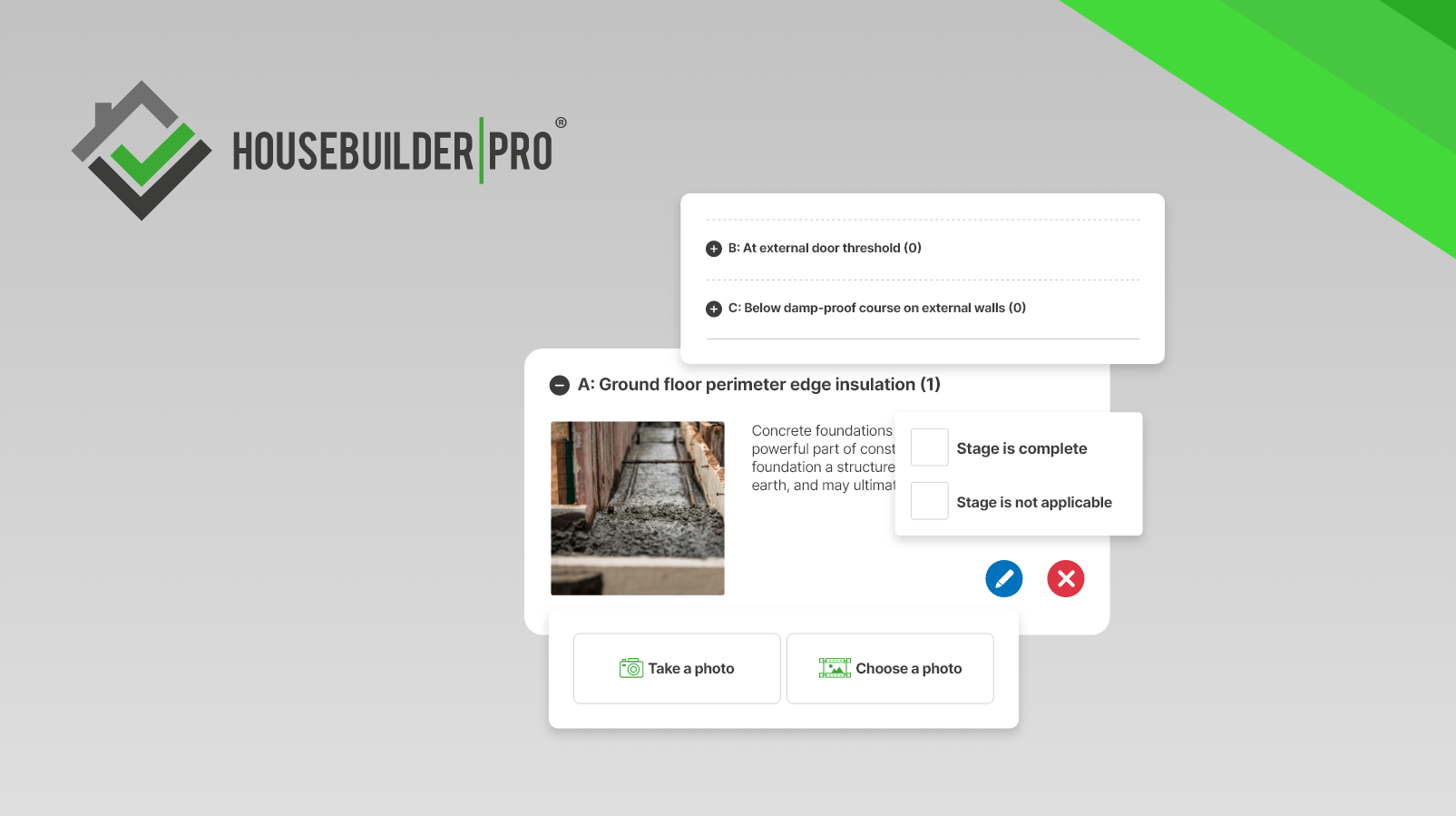
Housebuilder Pro is designed for exactly this type of market. By giving teams clearer visibility across sites, supporting Part L workflows, simplifying snagging and handover, and keeping everyone aligned, it helps businesses stay in control when conditions tighten.
When land is harder to come by, the winners are the businesses that make every site count.
Request a demo
Find out more about Housebuilder Pro, the only complete new homes management system designed and developed to accelerate your business.
Book via